It’s A Dirty Job, But Someone Has To Do It
Clay As An Archive
How can material practices preserve and reinterpret rural working-class histories and generational knowledge?
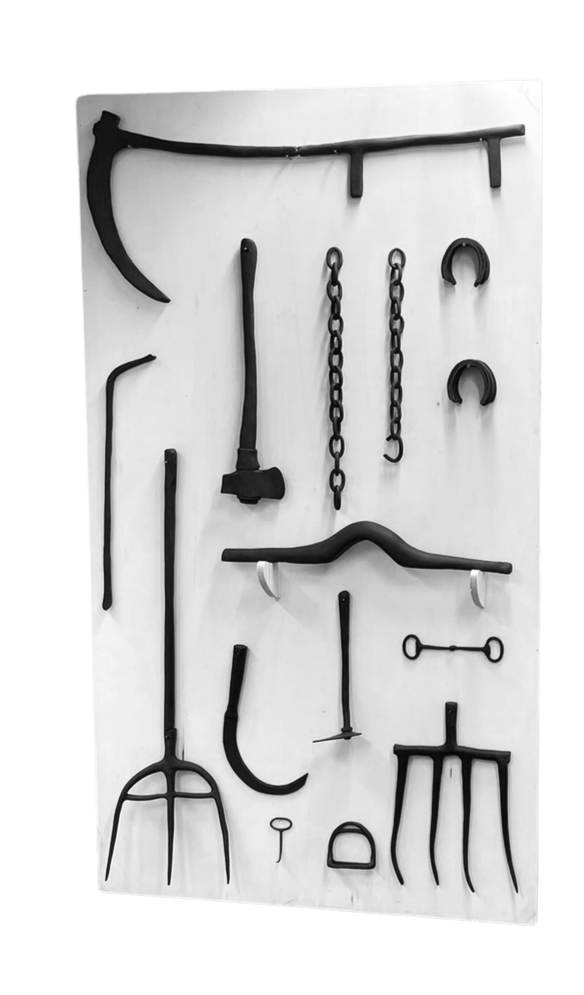
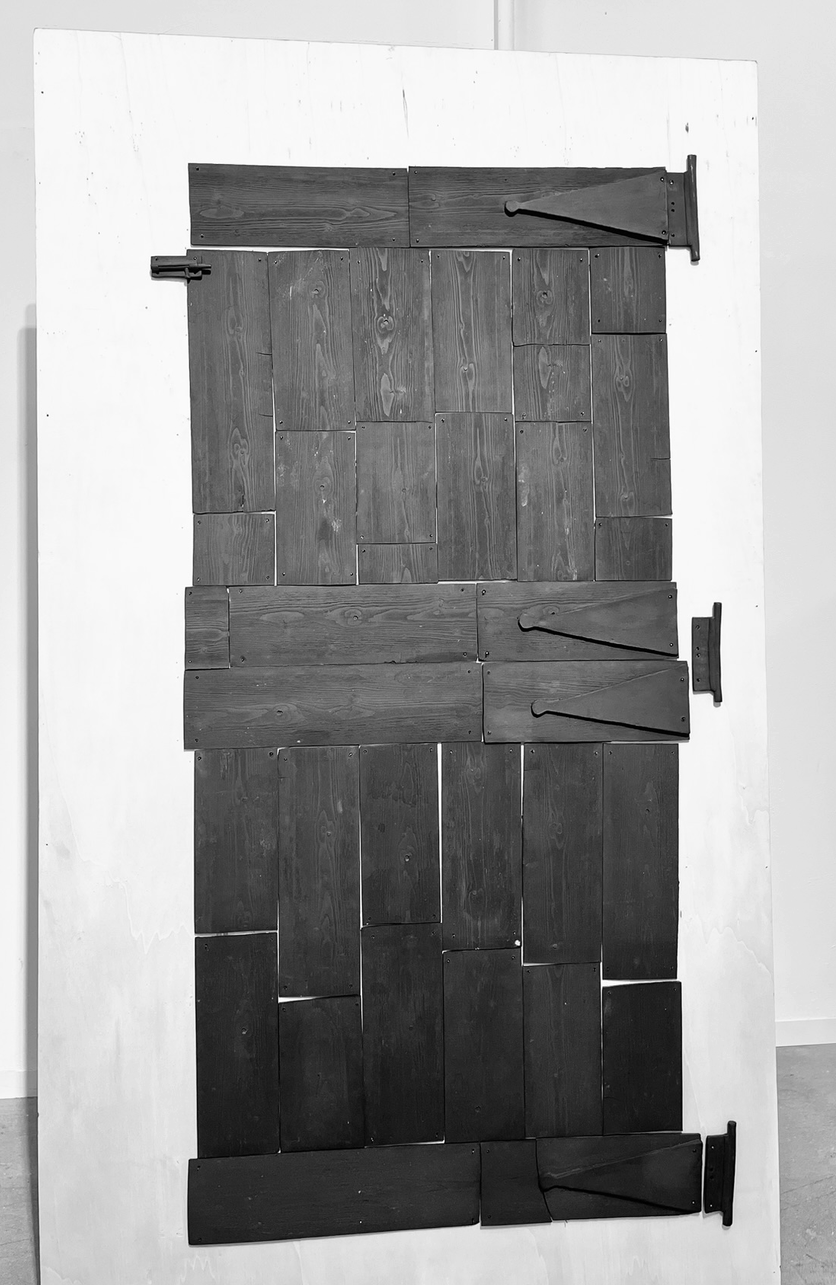
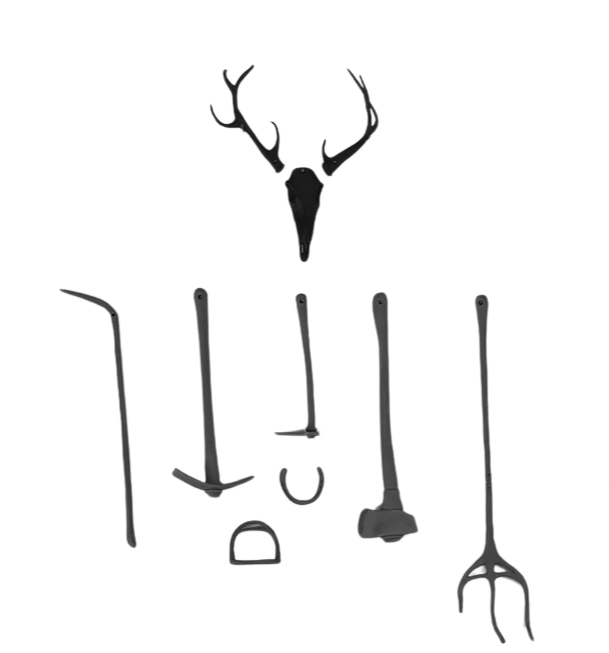
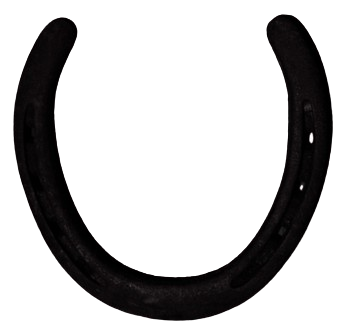
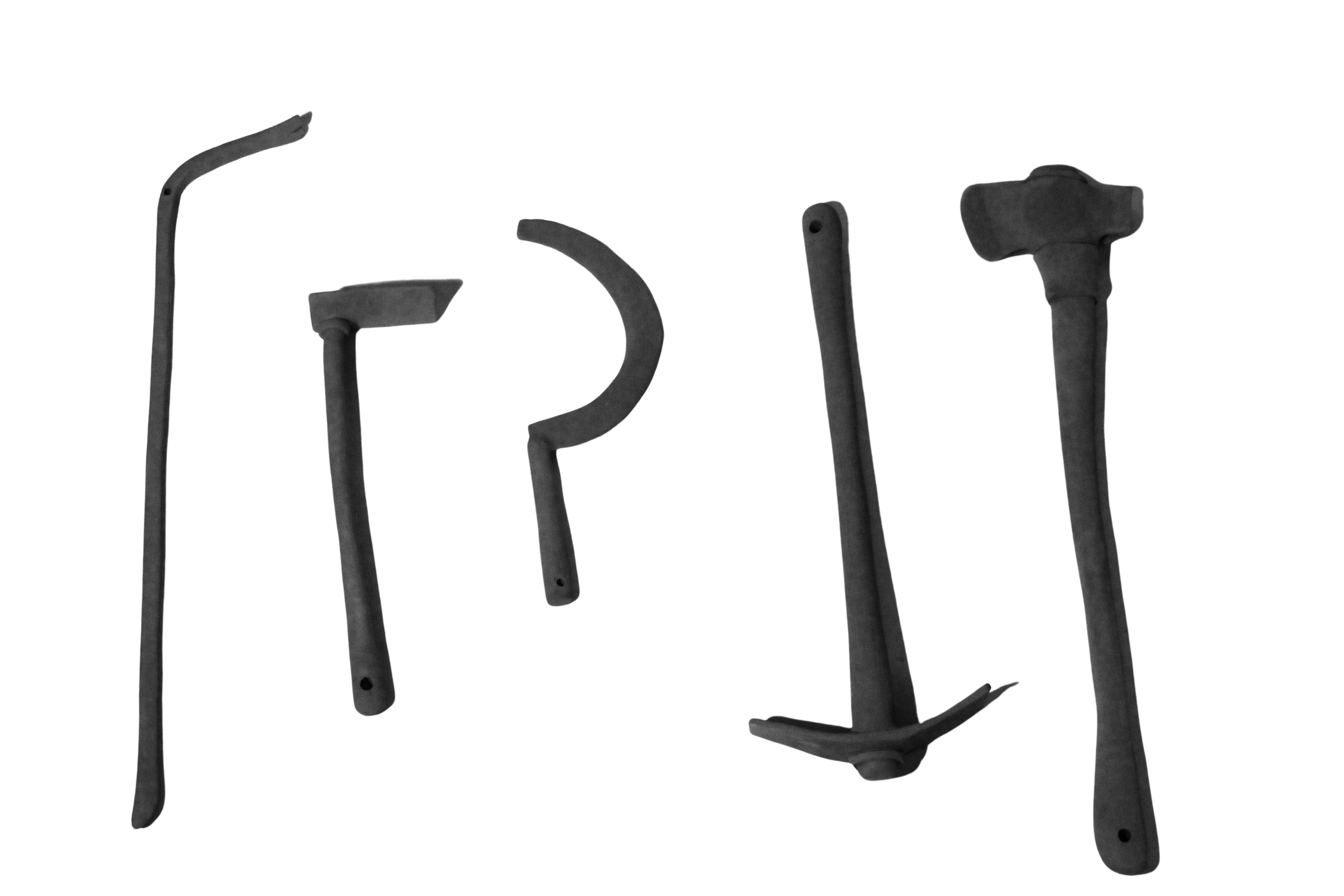
This project honors American farm culture by examining the value of acquired knowledge and perceptions of the rural working class using the 1854 mixed livestock, crop and horseboarding farm in upstate New York where I grew up and the Ostrander family who worked and owned it from the 1930s to 2014. The project preserves this history through ceramic artifacts modeled after traditional farm objects, symbols, and tools. Formed from the same soil that sustains farm life, the ceramics highlight a contrast between the harshness of labor and the fragility of clay.
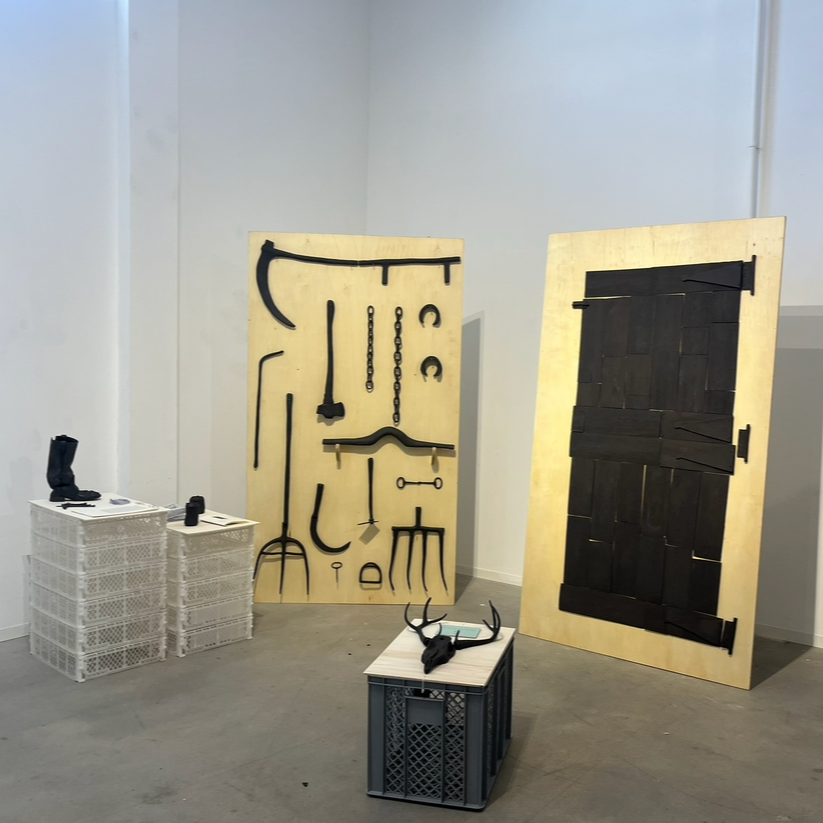
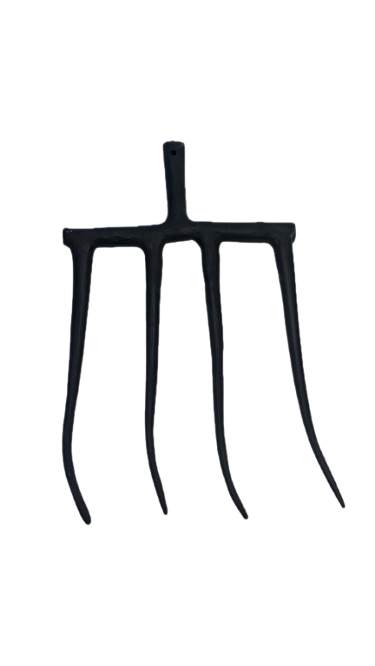
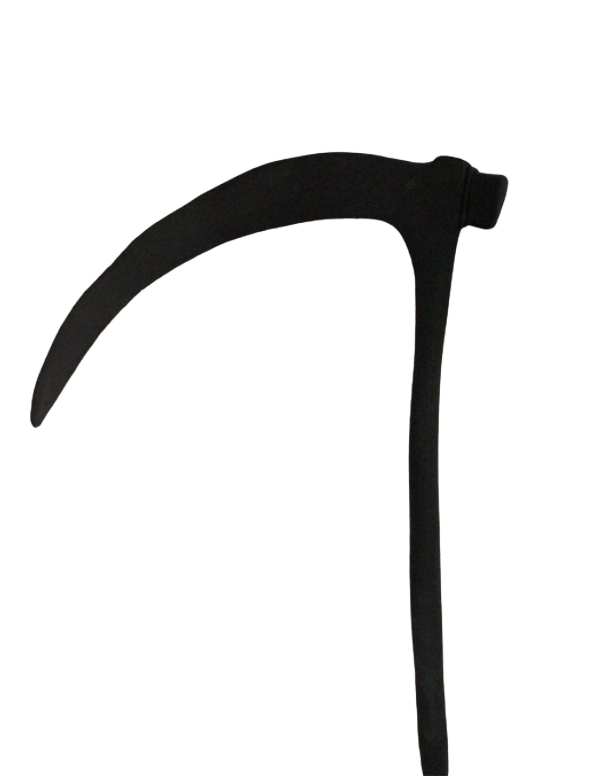
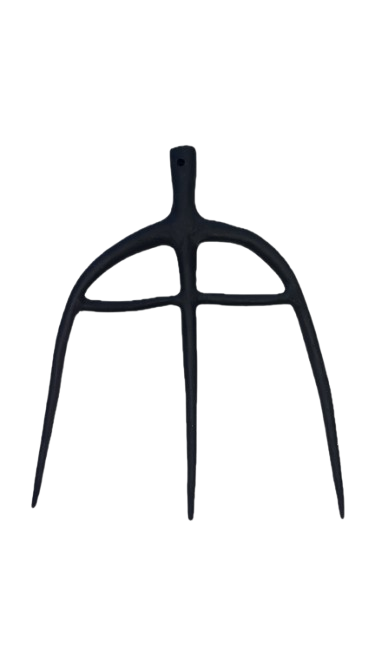

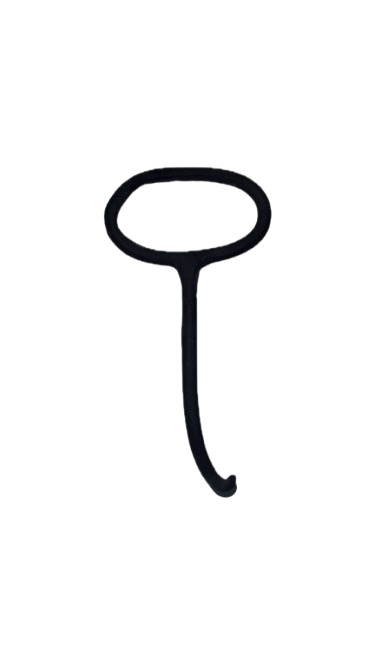
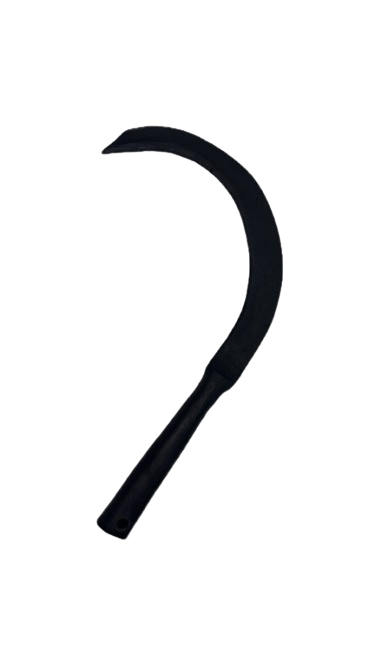
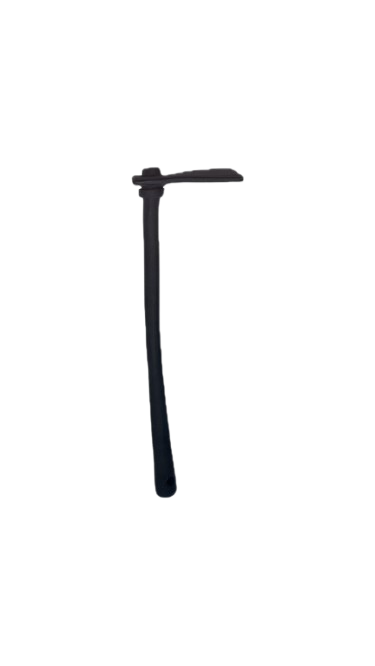
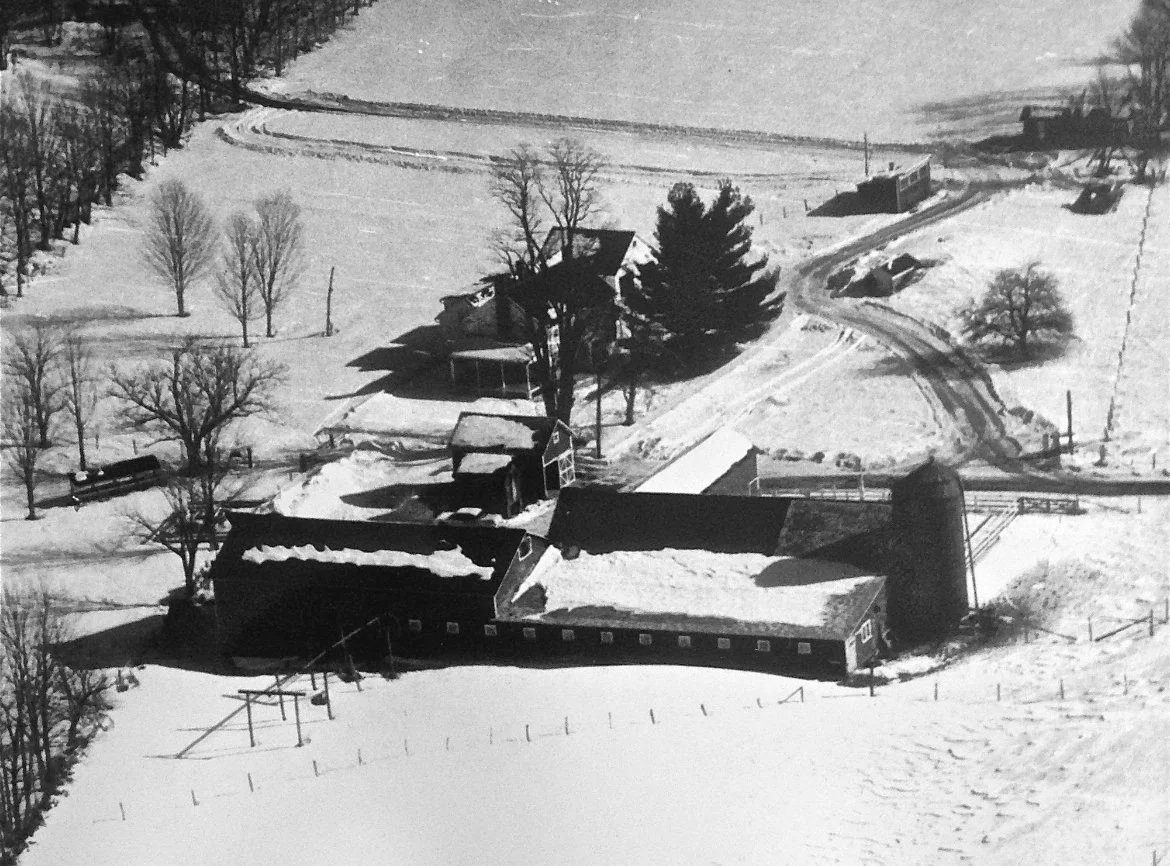
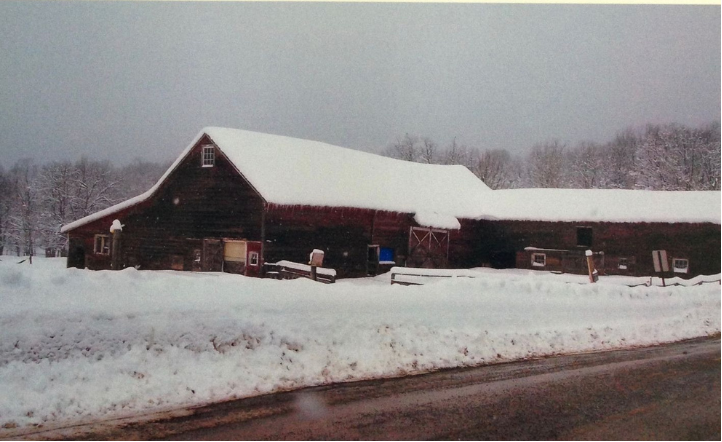
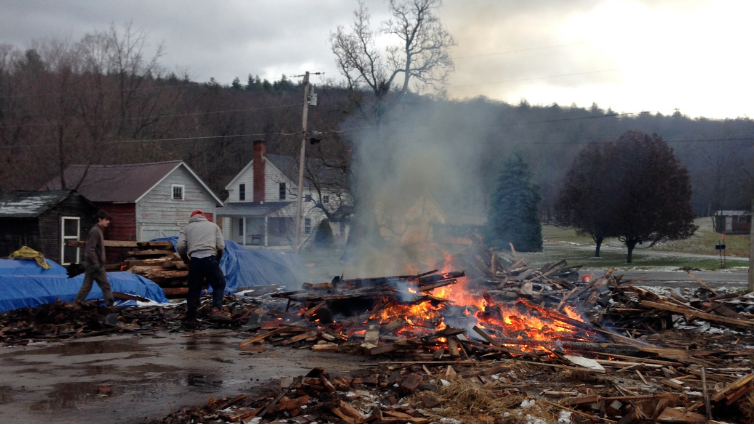
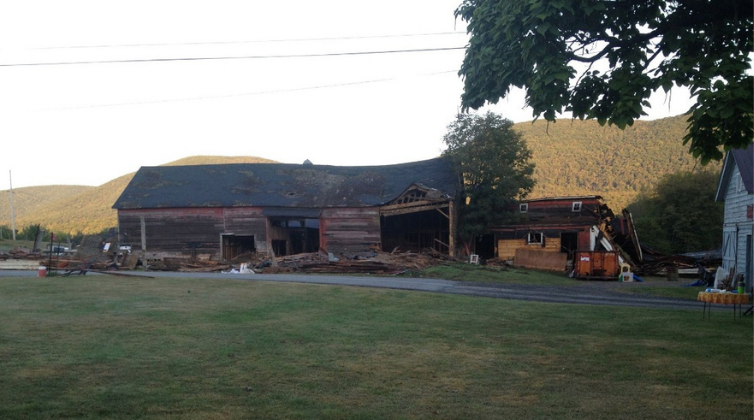
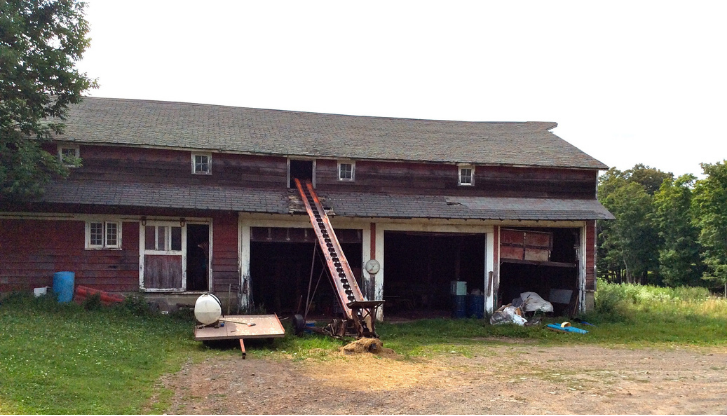
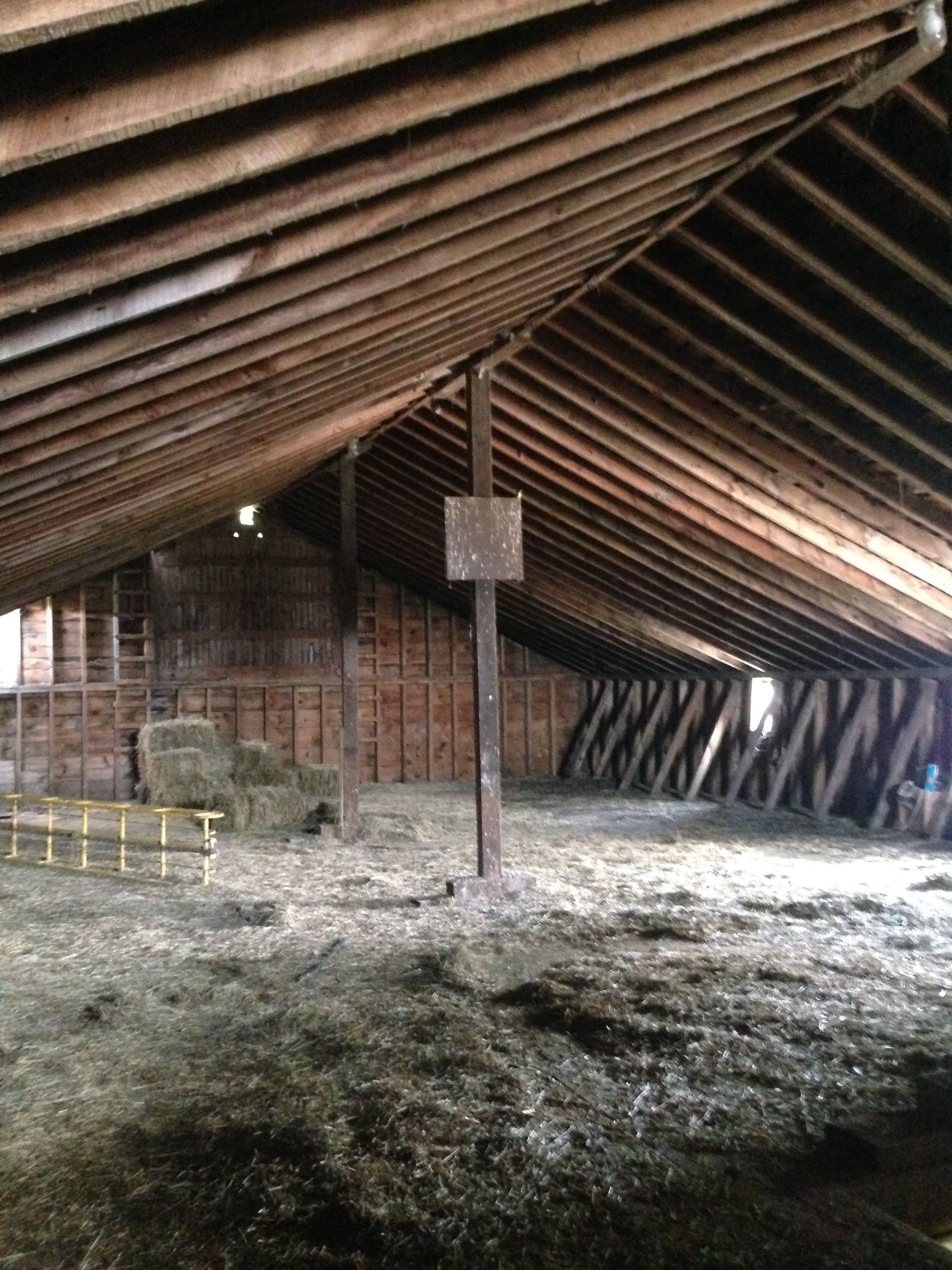
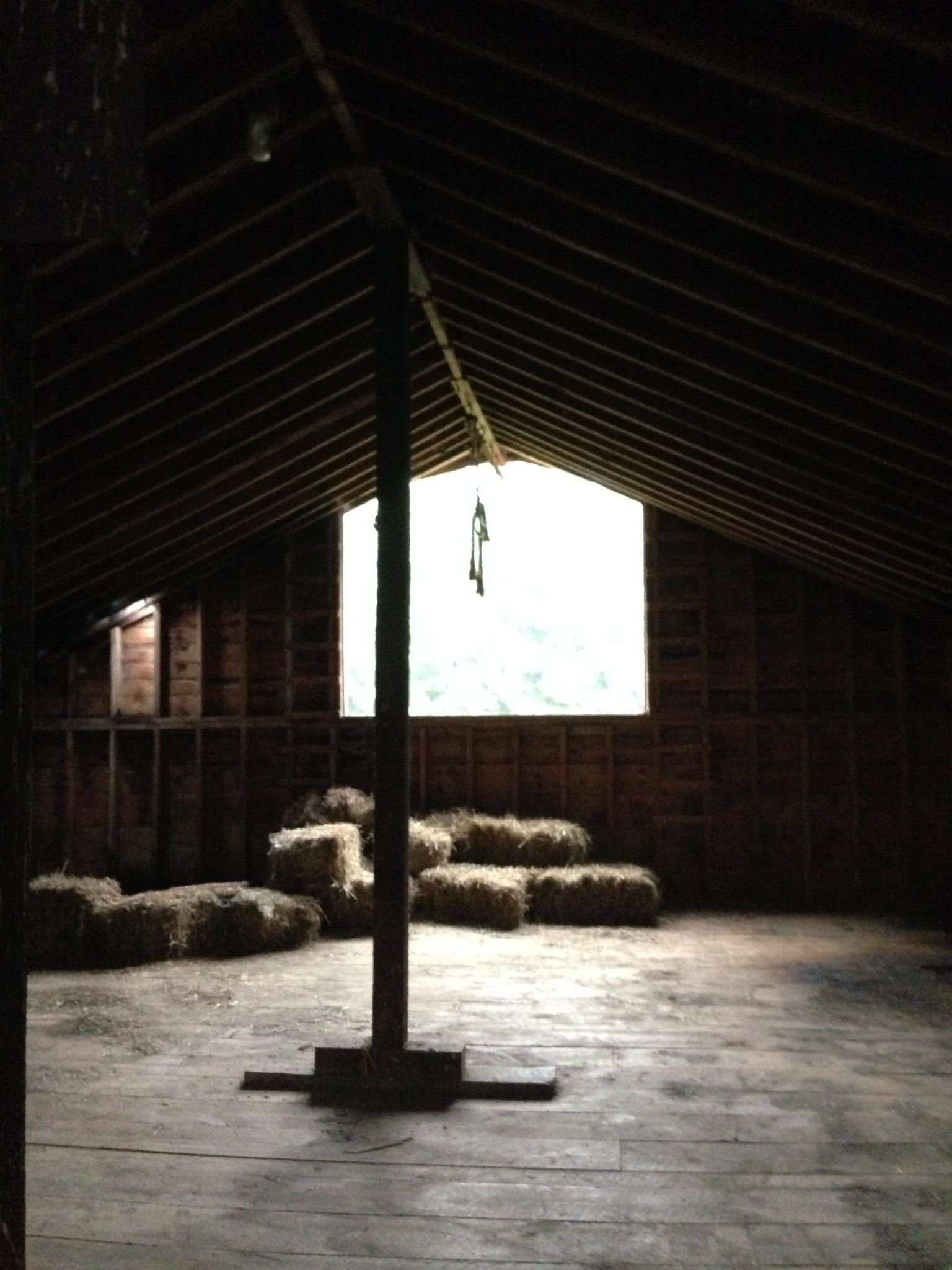
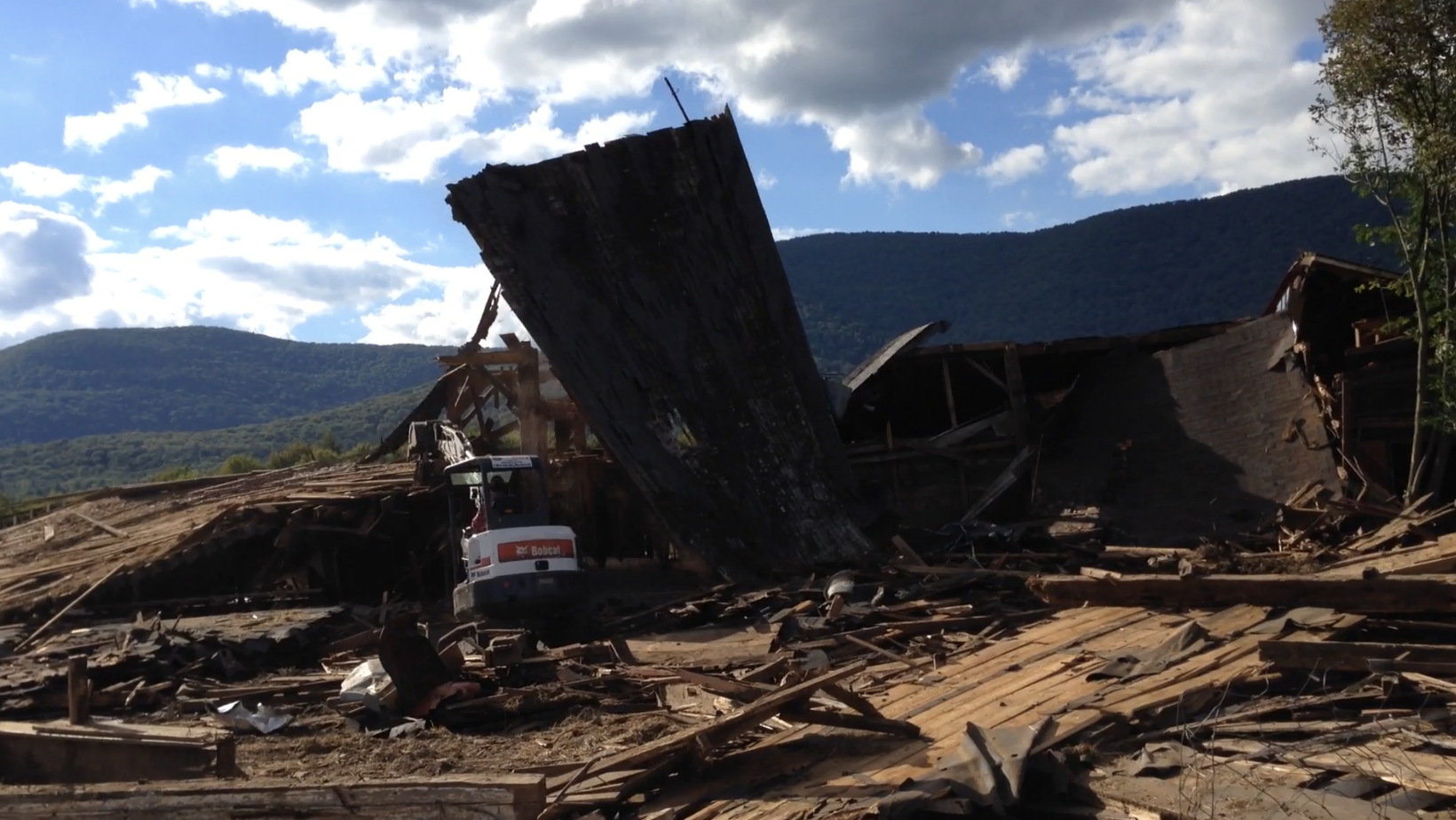
In 2014, the 7,000-square-foot (650 m²) Ostrander barn was completely demolished due to structural damage so severe that restoration was neither financially nor practically possible; a decision that marked a profound loss for the Ostrander family. For over 70 years, the barn had been central to their financial welfare, historic identity, and toiled daily labor, sustained through continuous, largely unrecognized work. The loss of the barn compounded the sense that family farming was a dying, futile and disregarded art. As Dana Ostrander described in an interview, this life was often accompanied by a sense of invisibility—of being overlooked despite its depth and difficulty. In mourning the loss of the farming way of life and her father, Dana shares “Now we carry on rooted in them (former farmers) with their traits and training, inherited and engrained and they live on through us” Such experiences extended to broader cultural distinctions between figures often labeled as “country folk,” “rednecks,” “hicks,” or “hillbillies,” - terms that flatten complex rural identities into stereotypes, devaluating the knowledge, resilience, and diversity within American working-class agricultural communities.
The grassroots research actions undertaken include historical reading and contextual analysis, beginning with diaries such as those of Elywin Davis to understand daily rhythms of farm life and Robin Wall Kimmerer’s Braiding Sweetgrass, which shaped my approach to land-based knowledge, reciprocity, and material connection. These texts informed the decision to conduct oral history interviews with descendants Susie, Dana, and Daniel Ostrander, and guided the questions I prepared about labor, tools, and lived experience. The interviews were documented through recordings and notes, providing invaluable narratives that are absent from official historical records.